

Wiser, Better and, Consequently, Happier
Does Freemasonry make its votaries wiser, better and, consequently, happier? While Freemasonry has done that for many of its votaries, no promise of such a result is made anywhere in our rituals. This is another of the many things that depend upon the individual. Again, it is largely a question of how much the brethren are willing to give, rather than how much they seek to get.
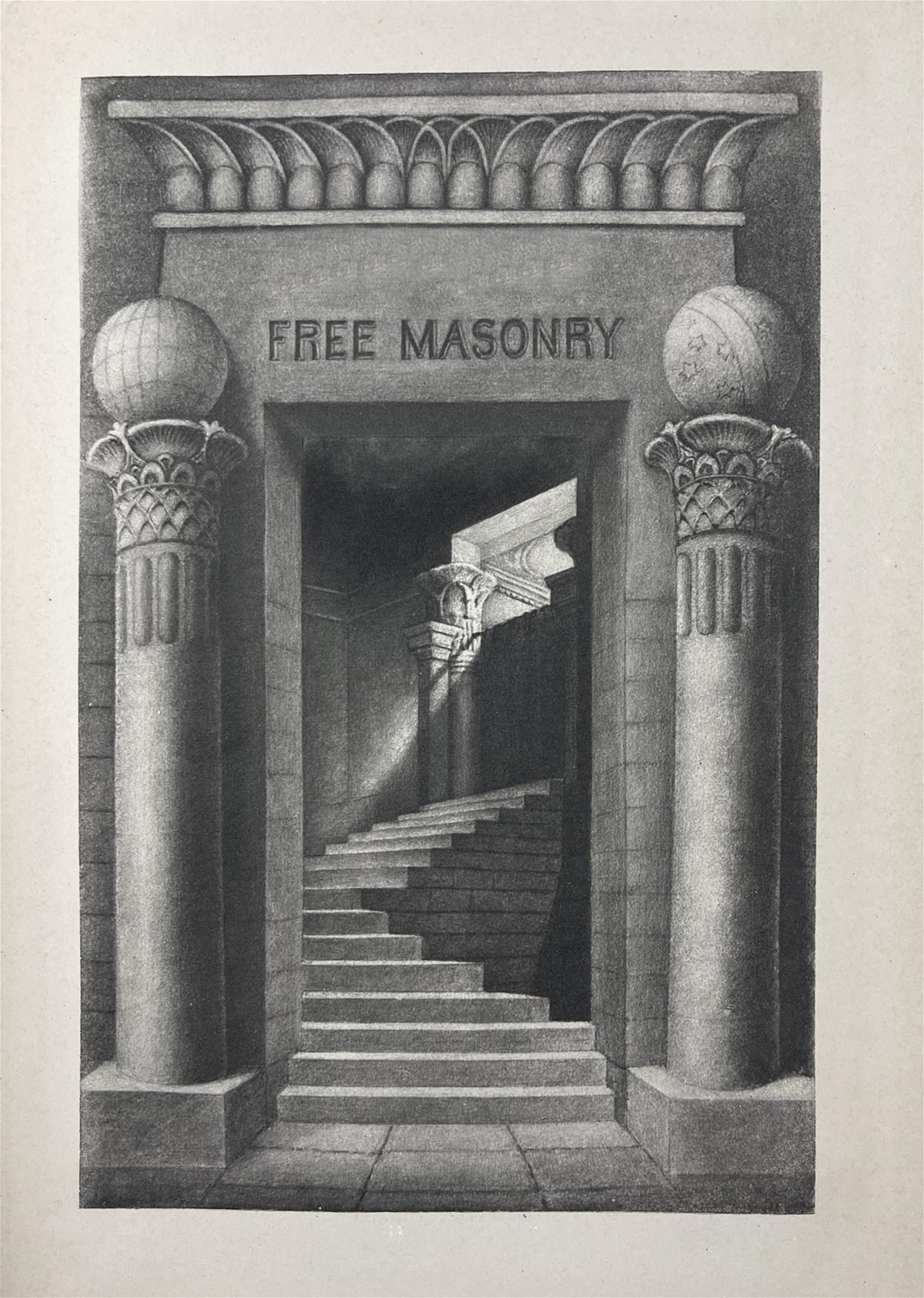
"Wiser, better and, consequently, happier." Freemasonry cannot funnel wisdom into a brother's head. There is only one way that it can be put there, and that is through the effort of the brother who would become wiser. Freemasonry offers the vehicle for the acquiring of wisdom concerning many things. It suggests many subjects for inquiry to which any member of the Order might well devote a lifetime. Freemasonry attempts to exert an influence on its votaries that should lead them to become informed on many subjects, some of them outside of Freemasonry, although there are few subjects that may not be somewhere, or in some manner, given Masonic application.
"Wiser, better and, consequently, happier." Wisdom may put one on a plane above that of his Masonic associates, but he still must meet them on the level. Wisdom may put one on a plane above his Masonic associates, but, if he rightly values that wisdom, he will be on a higher plane only from the viewpoint of his fellows, not from his own. Wisdom loses its value if it takes from one the enjoyment of companionship of others merely because they have not advanced so far as he has. A Freemason's wisdom loses its value if he is not ever ready to mingle with his less informed brethren and unostentatiously give to them of his knowledge. Wisdom is useless if hoarded. Knowledge should make one a better companion, show him new ways to enjoy the companionship of others, and make his own companionship more enjoyable. That is where some of the "consequently happier" comes in.
"Wiser, better and, consequently, happier." It may be said that a brother without a studious, inquiring mind is not all that Freemasonry expects him to be, yet, there are many without the studious, inquiring mind who are recognized as splendid Freemasons. Often a Freemason without an inquiring mind may more fully practice the teachings of Freemasonry than some of his fellows given to serious study of those teachings. Hours spent inquiring into the things Freemasonry suggests for study do not make the brother better if he feels he is thereby in any way relieved from practice of the tenets of Freemasonry.
The Core Tenet: Wisdom that makes one better is a knowledge that throws his obligations into bold relief.
Freemasonry does not necessarily make one wiser, better and, consequently, happier, although it tends to do so, and certainly will do so for those who seriously consider their obligations and earnestly endeavor to be what Freemasonry expects them to be. Freemasonry, however, doesn't accept men into its ranks to reform them. They are required to be good men and true and of good report before the world, before they are acceptable as petitioners. Freemasonry desires only those who need no reforming, men who would be exemplary in their conduct even if not obligated by the ties of Freemasonry.
It is easy to believe that Freemasonry has led many to become wiser, better and, consequently, happier. Hardly could it be otherwise. Anyone who could attend lodge regularly, participate in the work of the ritual, or listen to the ritual as given by others, and not be inspired to higher, nobler and better things may not have been, in the first place, the kind of petitioner Freemasonry desires. Associations such as those found in the lodge room hardly could be other than beneficial regardless of how high a brother's attitude toward life might already have been.
If one was a fit candidate for Freemasonry, what he finds is likely to make him better and, consequently, happier, even though he may not add greatly to his knowledge. But acquirement of knowledge, through effort, will add much that comes not to those who are content with what comes with little effort. Those who acquire wisdom are not frustrated through trying to find happiness in ephemeral pleasures that comes through a frittering away of time. They find an exhilaration in the acquirement of knowledge that may be used for their own wellbeing, and may be applied to making others happier; and, to the serious Freemason, there is no happiness greater than making others happier through being of service to them. Those who serve their fellows best, and thus get the most happiness out of their Freemasonry, are those best equipped, through their own efforts, to serve.
"Wiser, better and, consequently, happier." Yes, if Freemasonry gives its votaries the urge that leads them to embellish their minds with useful knowledge, and if they use that knowledge in the way Freemasonry intends it should be used, then Freemasonry has made them wiser, better and, consequently, happier.
You can purchase this book here:
5 - 15 minute Talks by Elbert Bede
