

Part Fourth: The Death of an Order and the Survival of a Spirit
The Cost of Riches: Surviving the "New Pilate"
Part Fourth of
Robert Macoy’s The Knights Templars (1874) relates the "miserable
and cruel fate" of the surviving brethren following the loss of Christian
territory in Palestine in A.D. 1291. Once their military services were no
longer required, European sovereigns began to regard their vast wealth and
immense possessions with "an eye of covetousness". Macoy boldly
claims that their extraordinary riches were their "true and only
crime".
The primary
antagonist of this chapter is King Philip IV of France, whom Macoy calls
"the new Pilate". Philip was a needy and
"avaricious" monarch who had resorted to "the most violent
expedients" to replenish his "exhausted exchequer".
4 Historical Claims:
The Trials of the Temple
1) The "Debt-Driven" Execution King Philip’s primary motive was financial desperation. The Templars were the "bankers" for the royalty of Europe, and Philip’s financial situation was desperate due to the wars with England and Flanders. He first seized wealth from the Jews and Italian bankers before turning to the Templars. The Templars were especially annoying for the following reasons.
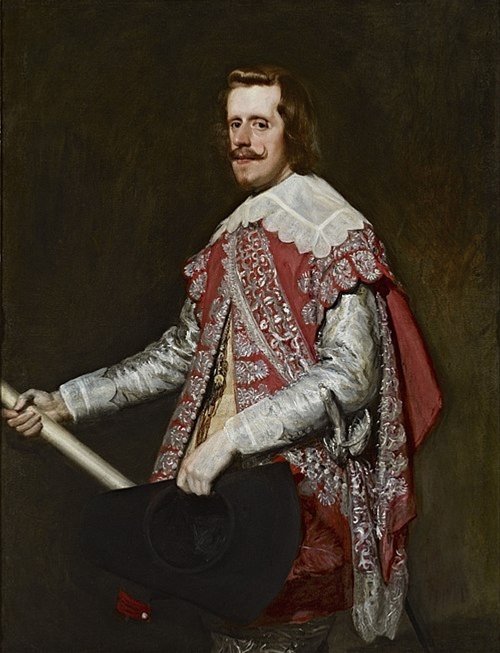
a) The Templars were
bankers and had lots of money
b) The Order held
thousands of manors and estates that were exempt from taxes and tithes.
c) He owed the Templars
an estimated 500,000 (leev-ruh Toor-nwah) livres tournois (todays money would be close
to hundreds of millions).
d) Macoy quotes the
historian Fuller to explain the King's brutal logic: "He could not get
the honey unless he burnt the bees."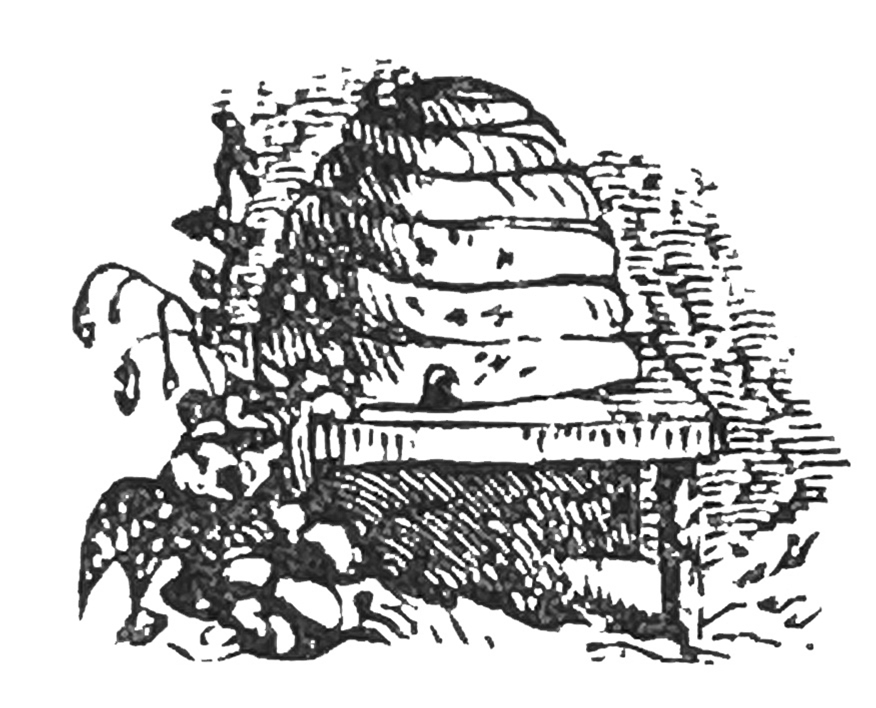
2) The "Puppet
Pope" Calamity King Philip successfully put his own pope in the Papal chair as Clement
V. Macoy paints the Pope as an "obedient slave" and a "vile
extortioner" who authorized the torture of the Order to satisfy the King's
demands.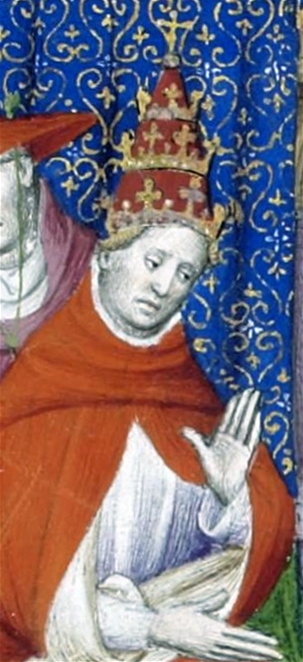
3) The Torture and
False Confessions The Inquisition employed "expert torturers" to extract proofs
of heresy. Macoy details the "roasting" of feet over slow fires—where
flesh was burnt off the heels—to wring out confessions of
"absurdities," including worshiping a cat or a "gilded
head."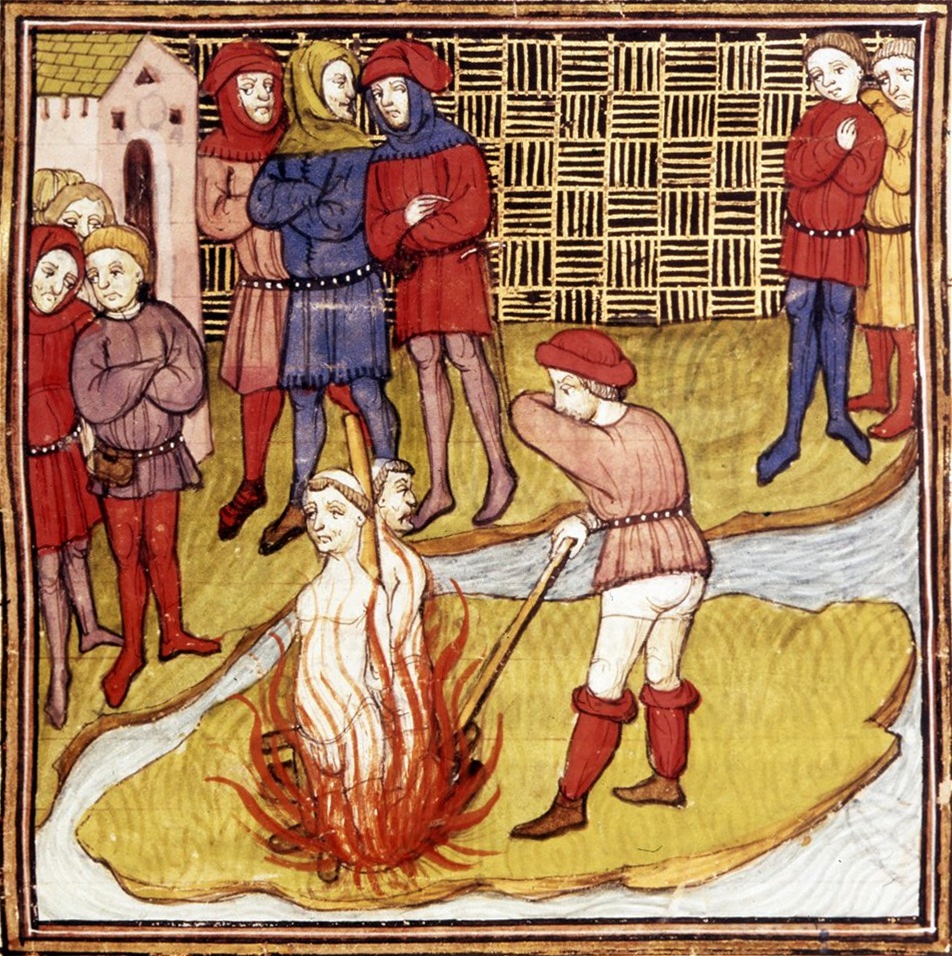
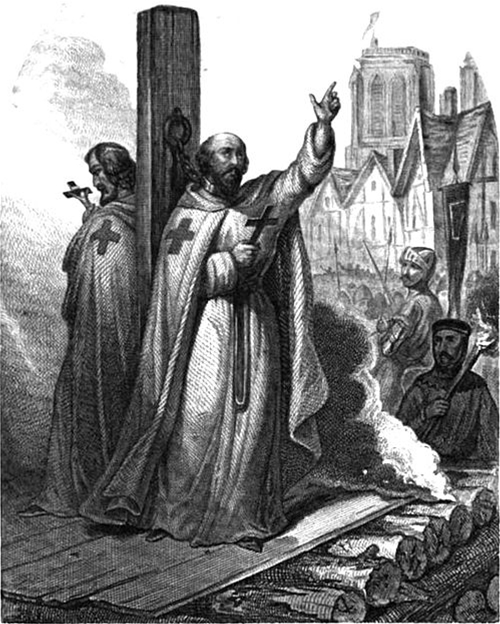
4) The Martyrdom of
Jacques de Molay On March 18, 1313, Grand Master Jacques de Molay was brought to a
public scaffold in Paris. He revoked his forced confession, declaring it a
"crime" to say that which was untrue. As he was burned to death that
evening, he summoned the Pope and King to meet him at the "tribunal of
God" within a year—a prophecy Macoy notes was fulfilled by their
deaths shortly thereafter.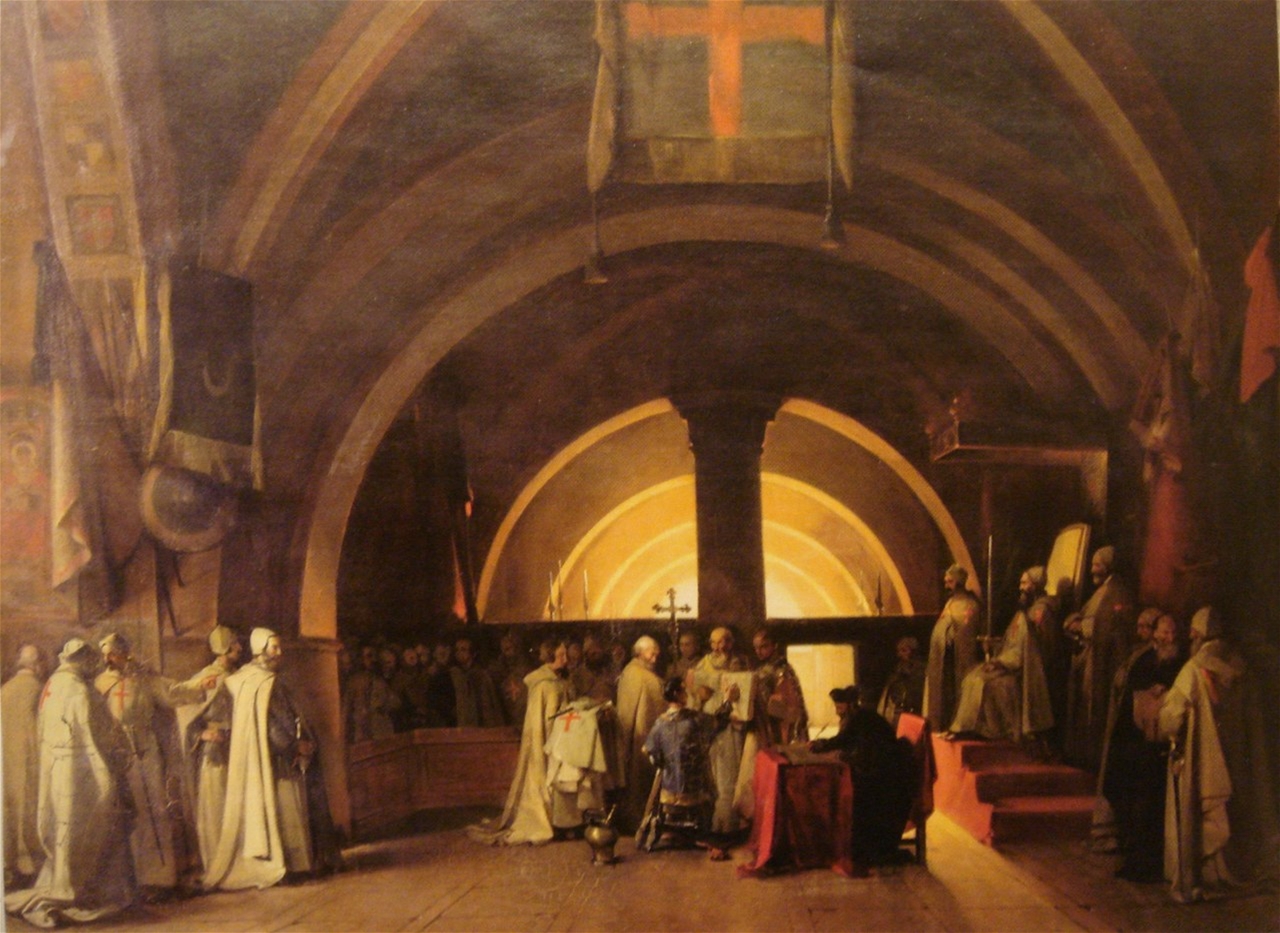
4 Actions for Modern Leaders: Surviving a Hostile Takeover
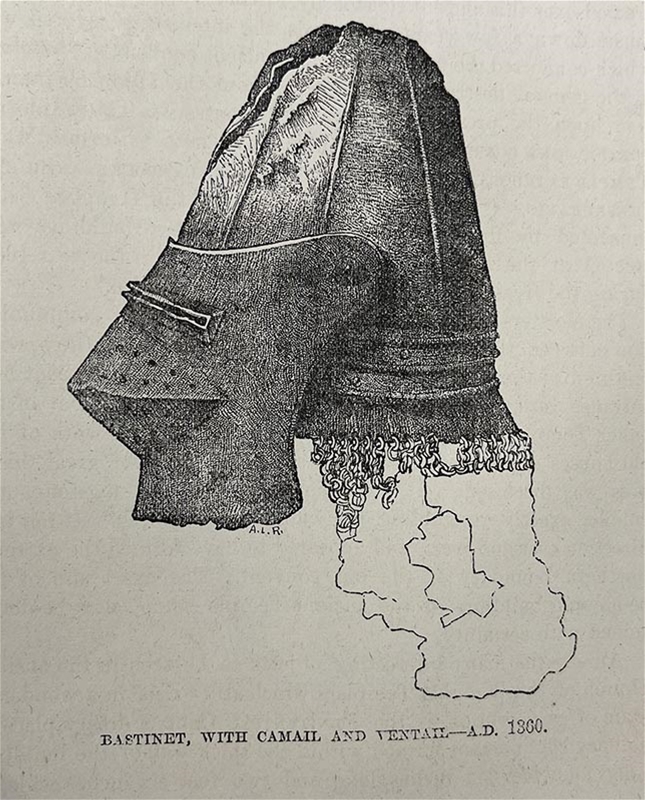
Beware the "Covetous
Eye"Success breeds jealousy. In business or the Lodge, those who no
longer see your "military service" as useful may begin to target
your assets.
- The Action: Fortify your
"Independent Stronghold." Maintain impeccable legal and ethical
boundaries so that a "King Philip" in your industry has no
legitimate Macoy says "conjectures" to use against you.
Maintain Your
"Standard" Under Pressure Jacques de Molay initially
succumbed to torture but reclaimed his "Mastery of the Order" in
his final moments.
- The Action: If you have
been led into a compromise, it is never too late to reclaim your
integrity. As De Molay proved, the only thing you take to the
"August Tribunal" is your character.
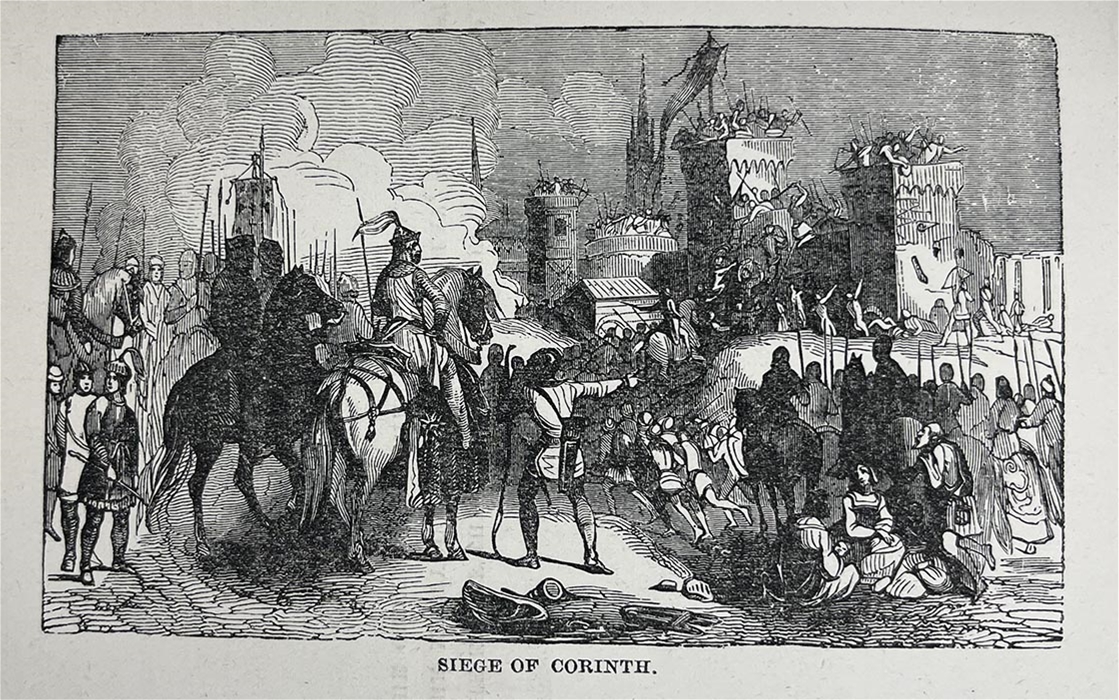
Don't Be a "Puppet" to “Avarice”
Clement V sacrificed a renowned Order to maintain his own political standing.
- The Action: In
leadership, never trade the well-being of your "brethren" or
your team for professional advancement. A leader who is an "obedient
slave" to someone else's greed will eventually be "hurried to
his grave" by the weight of that dishonor.
Recognize the "New
Pilate"
Identify leaders who use "probable conjectures" and "suspicion" rather than facts to attack competitors.
- The Action: When you see
a competitor or leader using "dark rumors" to replenish their
own "exhausted exchequer," do not walk "unhesitatingly
into the death-trap." Be "wise as serpents" and seek
mentors who have survived similar hostile takeovers.

Shop Knights Templar Education & Jewels
Macoy Publishing & Masonic Supply specializes in the "Mastery of the Order." Explore our curated selection of Templar essentials:
- Knights Templar Illustrated: The definitive guide to Commandery ritual, history, and floor work.
- Templar Jewels & Pins: High-quality Cross and Crown pins and rank-specific jewels.
- Masonic & Templar Rings: Fine jewelry featuring the freemason logo and Chivalric emblems.
Why Macoy is the Intellectual Home of the Commandery
While other suppliers may focus on mass-produced clothing, Macoy Publishing & Masonic Supply focuses on the soul of the organization. Since 1849, we have known that being a Knight Templar is an intellectual and spiritual commitment. Our 175-year history as a publishing house means we offer the "Standard" by which others are measured. When you seek the truth behind the Templar cross, you turn to Macoy. We provide the tools to help you truly *understand* the Commandery, ensuring the light of Chivalry never goes out.
