Albert Mackey on the Meaning & Purpose of Freemasonry
Compiled by Steve McCall
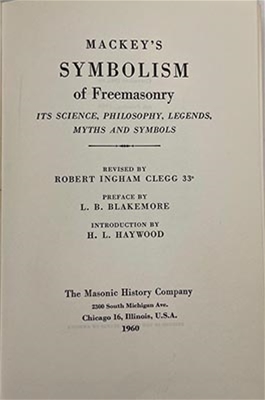
1. Symbolism of Freemasonry (1869)
Definition:
“Freemasonry is a science of morality, veiled in allegory and illustrated by symbols.”
Context: Chapter I, “Preliminary—The Origin and Progress of Freemasonry”
Notes: This is Mackey’s most famous summation. He stresses allegory and symbols as the key mode of moral instruction.
2. An Encyclopedia of Freemasonry (1873)
Definition:
“Freemasonry is, strictly speaking, a science of symbolism. It is the application of a system of moral philosophy, inculcated in allegories and illustrated by symbols.”
Notes: Here Mackey expands his symbolic definition into “moral philosophy.” This entry stresses universality and morality.
3. A Lexicon of Freemasonry (1852)
Definition:
“An institution founded on the purest principles of piety and virtue, which has, for its object, the investigation of truth, the promotion of industry, and above all, the inculcation of an active benevolence.”
Notes: This is Mackey’s earliest formal definition, showing a more practical and religious tone.

4. The Principles of Masonic Law (1856)
Definition:
“Freemasonry is not a religion, although it is eminently religious; it is not a system of ethics, although it inculcates the purest morality; it is not a philosophy, although it teaches the most sublime truths. It is the combination of all these, and hence its universal character.”
Notes: Mackey positions Masonry as being "above categories" because it blends them all.
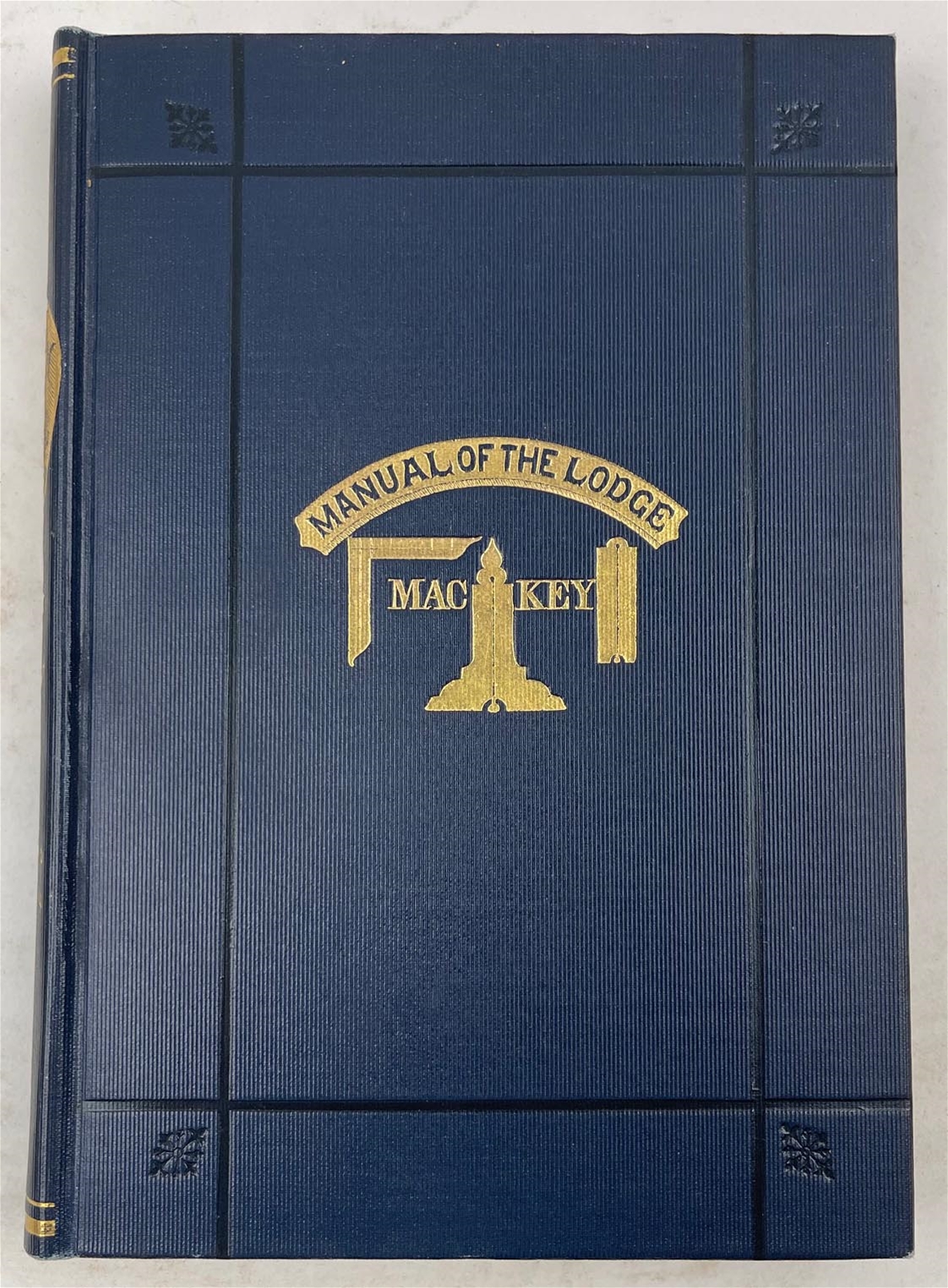
5. Manual of the Lodge (1870)
Definition:
“The great object of Masonry is to teach men the practice of every social and moral virtue, and to fit them for those higher duties to God and their fellow-man to which they are called by their destiny.”
Notes: This version emphasizes virtue in daily life and practical, applied purpose.
6. The Mystic Tie (1851)
Definition:
“Masonry is a system of ethics, founded on allegory and illustrated by symbols, whose aim is to ennoble the mind, purify the heart, and strengthen the bonds of brotherhood.”
Notes: Here the “brotherhood” aspect is strongest—Mackey underscores fraternity alongside morality.
7. History of Freemasonry in South Carolina (1861)
Definition (Preface):
“The design of the Institution has ever been to promote the happiness of its members, to advance the cause of virtue and truth, and to diffuse light and knowledge among men.”
Notes: This version highlights happiness and enlightenment, framing Masonry as a progressive science.
Summary of Mackey’s Consistent Themes
Across his works, Mackey consistently defines Freemasonry as:
- A moral science / philosophy.
- Taught by allegory, expressed in symbols.
- Aiming to instill virtue, benevolence, and truth.
- With the purpose of uniting men in brotherhood.
- Preparing them for higher duties to God and humanity.
His most quoted phrase is the “science of morality, veiled in allegory and illustrated by symbols.”
Mackey & Macoy Publishing & Masonic Supply Co, Inc. Since 1849.
Throughout the nineteenth century and well into the twentieth, Albert G. Mackey’s writings on Freemasonry were repeatedly issued and sustained in print by Macoy. Macoy served as the principal vehicle for Mackey’s works—from early issues of his Lexicon of Freemasonry to enduring reference monuments such as the Encyclopedia of Freemasonry. In short, Macoy’s network kept Mackey in the hands of American and international readers for generations.